Forklifts · side loaders · pallet handling

Combilift multidirectional forklifts keep long-load aisles and residual capacity in one selection record

Documented load center, aisle geometry, floor class and recovery planning stay visible from RFQ through SAT—so warehouse teams can approve an industrial truck package without guessing mast clearance, turning envelope or cutover fallback.
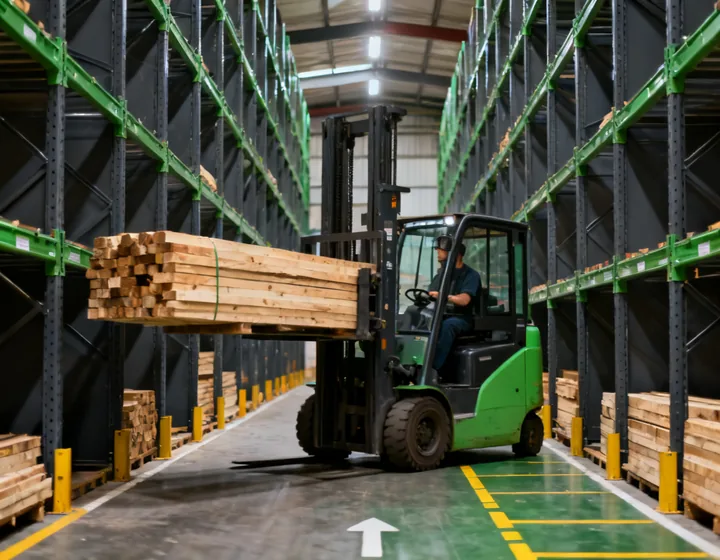
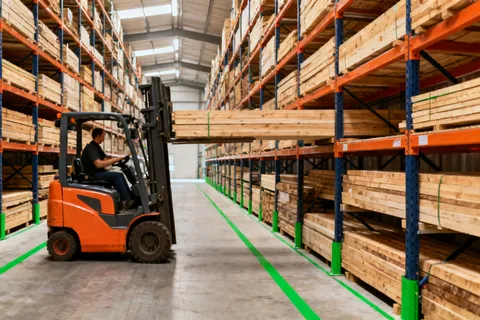
Combilift multidirectional forklift moving long timber in a narrow warehouse aisle
Acceptance evidence rail

Four checkpoints Combilift keeps visible before fleet handover

Design Rate

Peak moves/hour only after SKU mix, load length and aisle conflict assumptions are named.

Review design boundary →
FAT

Factory acceptance covers residual capacity, steer modes and safety field checks on agreed loads.

See FAT scenarios →
SAT

Site acceptance proves aisle geometry, floor class and interface owners under live constraints.

Commissioning path →
Service Response

Escalation clock, critical spares and recovery ownership defined before operational release.

Open Uptime Plan →

Credential ranges in brand configuration are planning values, not independently verified public certifications.

Industries served

Combilift trucks follow the operating profile, not a generic warehouse sketch

Three high-consequence verticals where aisle geometry, load length and peak windows decide the fleet mix.

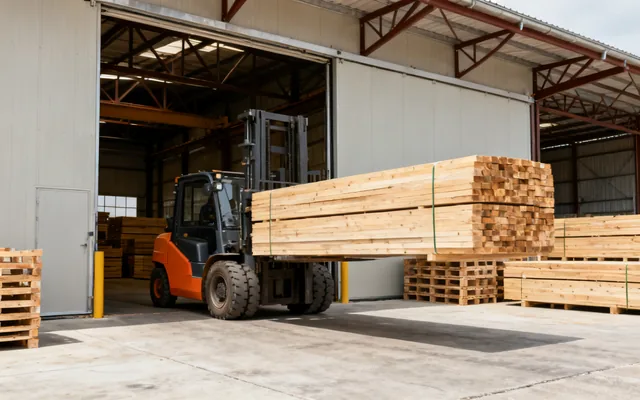
Timber distribution yard with multidirectional trucks

Timber & building materials

Long packs, variable overhang and outdoor-to-indoor transitions demand steer-mode clarity and residual capacity checks at every stated load center.

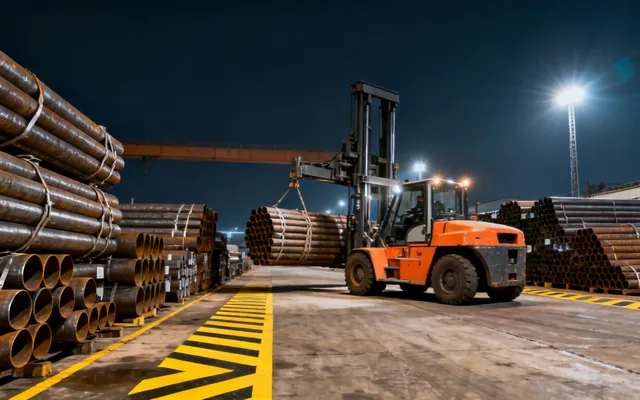
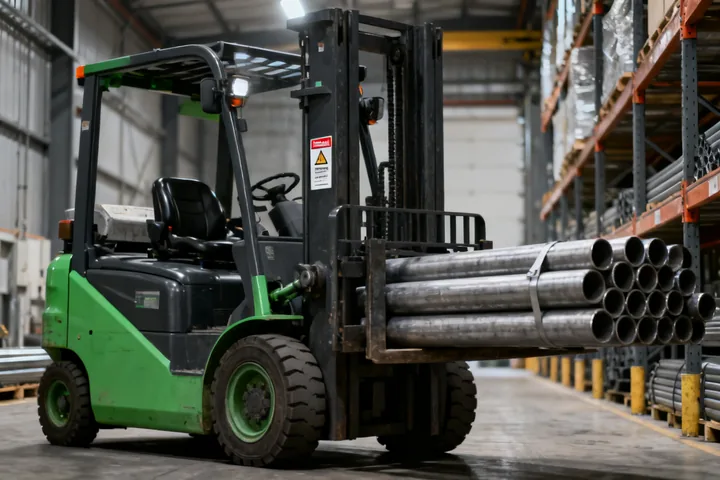
Steel and pipe stockyard side loader

Metals & pipe yards

Bundle weight, nesting and yard floor quality change duty cycle. Combilift selection records keep floor class and guide options visible before SAT.

Manufacturing distribution aisle with industrial trucks

Manufacturing distribution

Work-order linked outbound mixes pallet and long-load moves. Peak factor must include replenishment buffers and exception recovery ownership.

Why operations choose Combilift

Advantages that remain measurable after the trucks enter live aisles

Load center review for Combilift truck selection

Load & Duty Engineering

Review load center, dimensions, aisle geometry, floor condition, duty cycle and residual capacity before selection. Peak moves/hour claims include SKU mix, replenishment and exception recovery assumptions—not isolated brochure rates.

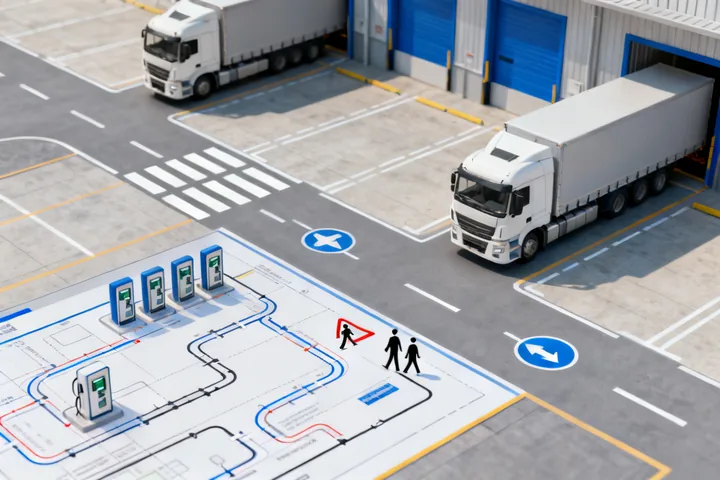
Fleet route and traffic rules planning board

Robot Fleet Safety inputs for mixed fleets

When AGV/AMR paths share aisles with Combilift trucks, define routes, scanner fields, charging, traffic rules and exception handling as testable requirements—so SAT can prove coexistence instead of hoping for courtesy.

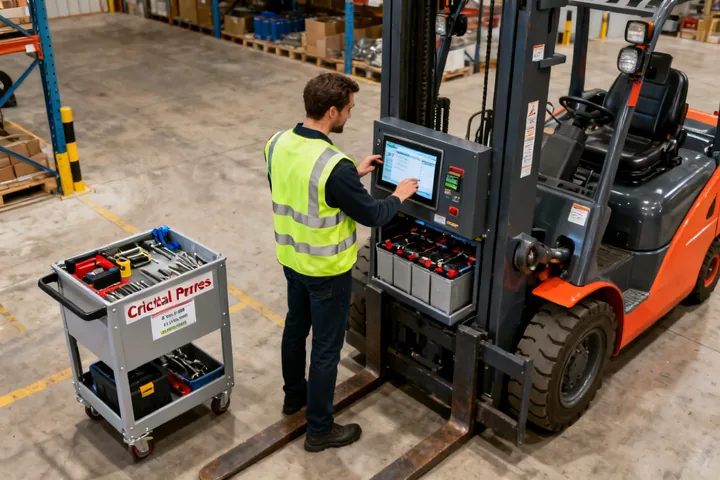
Lifecycle service access on industrial truck

Lifecycle Serviceability

Keep maintenance access, diagnostics, critical spares and recovery procedures visible before operational handover. Mean time to repair stays an installed operating measure, not a universal marketing number.

Phased cutover of warehouse truck fleet

Phased Project Delivery

Protect live operations with controlled cutover, fallback states, commissioning windows and measurable acceptance gates. Brownfield aisles keep shipping while new trucks prove steer modes and interface owners.

Flow-data RFQ

Send the five fields Combilift needs before quoting an industrial truck package

Throughput, density, interfaces and acceptance criteria only become useful when load unit, order profile, peak rate, control boundaries and site constraints arrive together.

  • Load unit dimensions, weight, load center and maximum length
  • SKU / order profile, replenishment pattern and peak factor
  • Aisle width, rack face height, floor class and outdoor transitions
  • WMS / WCS / PLC or traffic-system interface owners
  • Preferred FAT/SAT scenarios: normal, peak and recovery
Open contact workspace

Data checklist

  1. Load unit
  2. SKU / order profile
  3. Peak rate
  4. Interfaces
  5. Site constraints